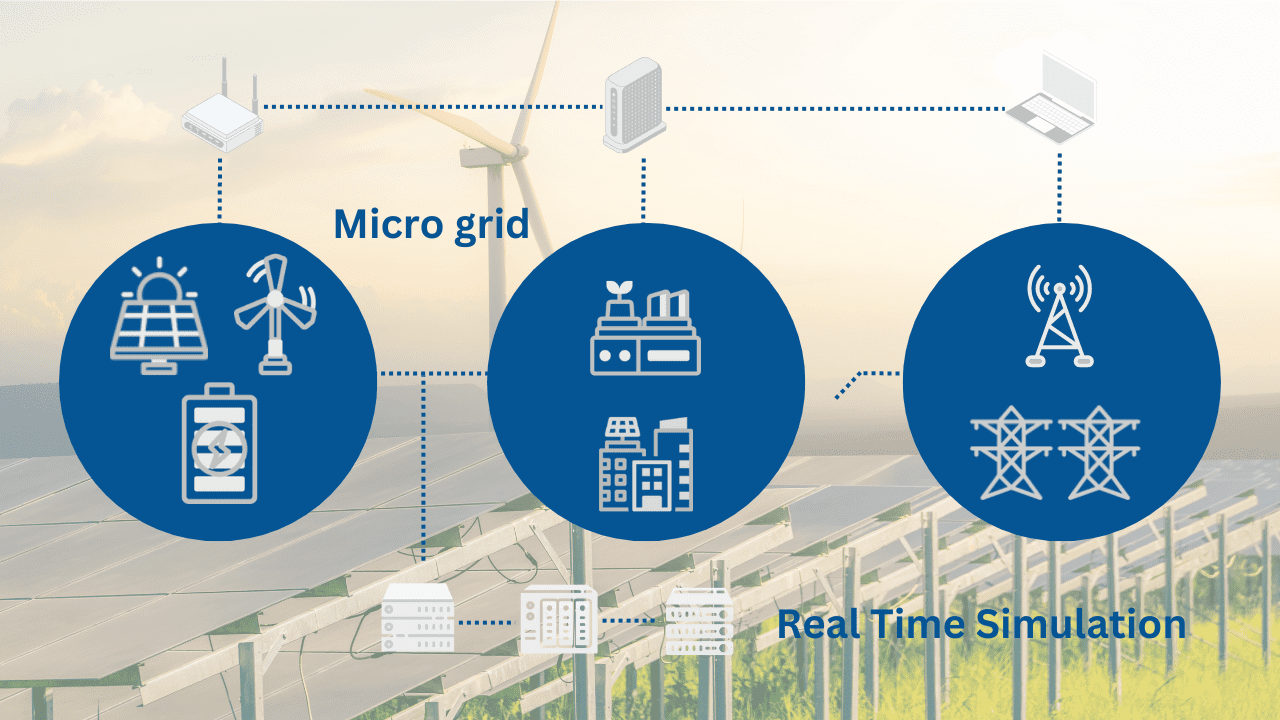

The electricity system is undergoing a structural transformation.
Driven by the rapid expansion of renewable generation, electrification, and distributed energy resources, modern power grids are becoming increasingly dynamic, decentralized, and data-intensive.
This evolution is fundamentally changing the way grid operators manage energy flows, system stability, and operational decision-making.
A recent industry study, Grid Control and DMS Software: Market Overview 2026 by Clearwater, highlights how software platforms for grid control and distribution management systems (DMS) are emerging as essential infrastructure for modern electricity networks.¹
The report reflects a broader reality: the energy transition is also a transition toward software-defined grid operations.

Increasing Complexity in Modern Power Systems
Traditional electricity grids were designed for centralized generation and predictable demand patterns.
Today, this model is no longer sufficient.
Grid operators must now manage:
- High penetration of variable renewable generation
- Bidirectional power flows from distributed energy resources (DERs)
- Electrification of transport and heating
- Increasing volatility in demand profiles
- Local congestion and voltage constraints at distribution level
As a result, operational complexity is increasing across all levels of the system.
Clearwater’s analysis emphasizes that this complexity is driving demand for more advanced grid control, automation, and decision-support systems, capable of processing large volumes of real-time data and enabling faster operational responses.¹
From Traditional Control to Real-Time Grid Intelligence
Conventional grid management systems were built around static assumptions and relatively slow operational cycles.
However, modern power systems require:
- Real-time situational awareness
- Continuous monitoring of distributed assets
- Predictive forecasting of generation and demand
- Dynamic congestion and voltage management
- Rapid decision-making under uncertainty
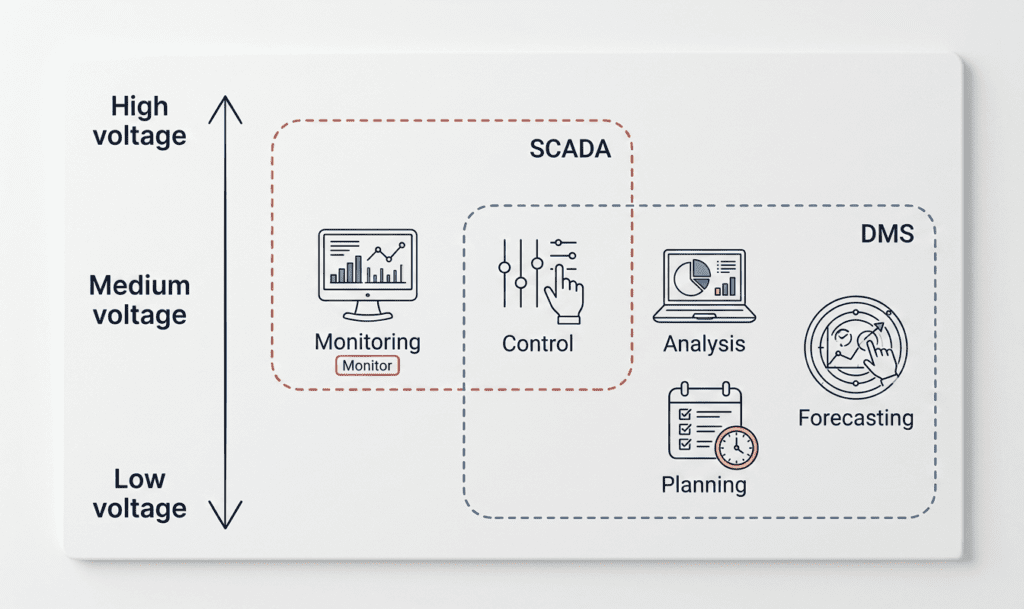
This shift is driving the evolution from traditional SCADA-based supervision toward integrated Grid Control and Distribution Management Systems (DMS).
These platforms increasingly serve as the operational intelligence layer of the grid, combining data acquisition, analytics, and automation capabilities into a unified environment.¹

The Emergence of Software-Defined Energy Systems
A key structural trend identified in recent industry research is the convergence toward software-defined energy systems.
In this model, physical infrastructure is complemented by digital intelligence layers that enable:
- Real-time optimization of grid operations
- Automated fault detection and isolation
- Improved coordination of distributed flexibility resources
- Enhanced visibility across transmission and distribution networks
- Integration of renewable generation at scale
Rather than operating as passive infrastructure, the grid becomes an active, continuously optimized system.
This transformation is accelerating as utilities invest in Advanced Distribution Management Systems (ADMS), analytics platforms, and AI-driven optimization tools.
The Role of Forecasting and Optimization in Grid Operations
As variability increases, forecasting and optimization become central to grid reliability and efficiency.
Modern grid management requires the ability to anticipate system conditions before they occur, including:
- Renewable generation profiles
- Load fluctuations
- Network congestion risks
- Flexibility availability from distributed resources
Forecasting alone is not sufficient.
It must be combined with optimization engines that translate predictions into actionable operational decisions, supporting both real-time and day-ahead grid management.
This integration of forecasting and optimization is becoming a defining characteristic of next-generation grid software platforms.


From Monitoring to Orchestration
The evolution of grid software is moving beyond monitoring and visualization.
The next phase is grid orchestration.
This involves the coordinated control of distributed assets, including:
- Renewable generation units
- Battery energy storage systems
- Demand response resources
- Flexible industrial loads
Grid orchestration enables operators to actively manage system flexibility, rather than simply observing it.
This transition is critical for maintaining reliability in systems with high renewable penetration.
Industry Direction: Convergence Toward Integrated Grid Platforms
The Clearwater 2026 market overview highlights a clear direction across the industry: convergence toward integrated platforms that combine:
- Real-time grid visibility
- Predictive analytics
- Optimization capabilities
- Automated operational decision support
These systems are increasingly considered essential for modern grid operations, particularly in regions with high renewable penetration and distributed generation growth.¹
The trend reflects a broader shift in the energy sector toward data-driven, software-enabled infrastructure management.
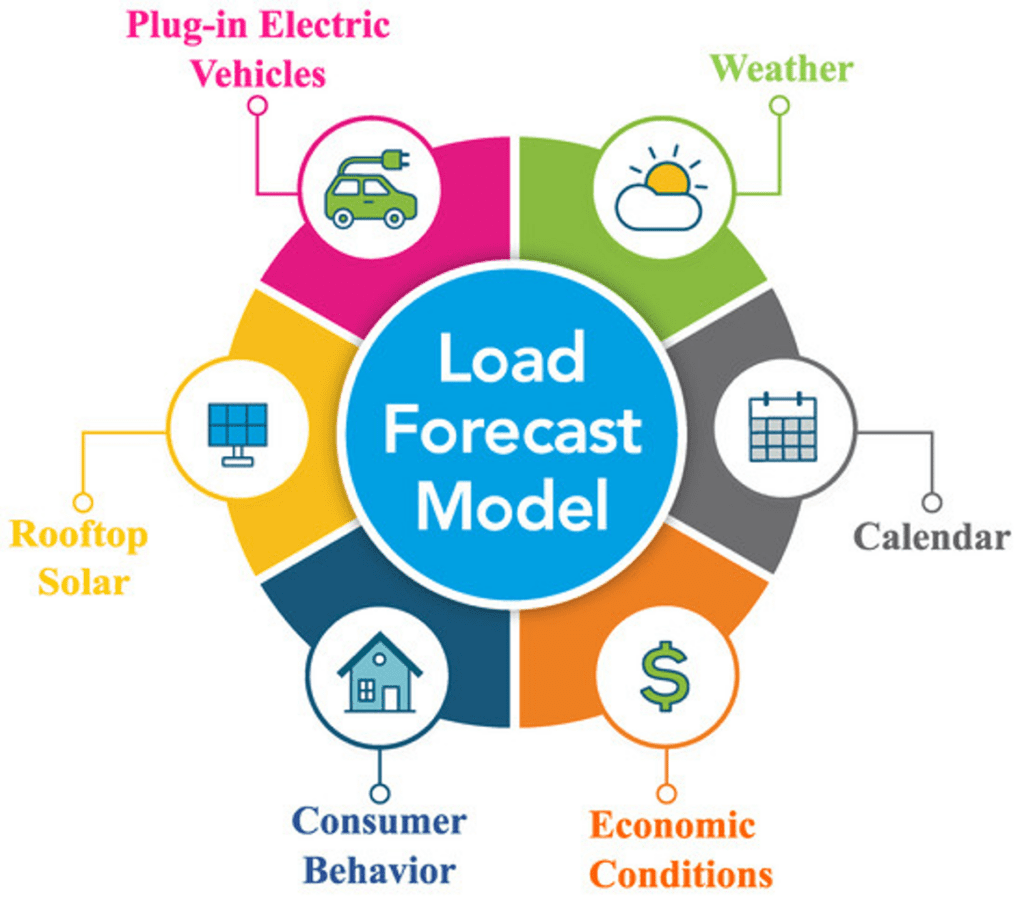
Reference: Load Forecasting Techniques and Their Applications in Smart Grids Energies 2023, 16(3), 1480; https://doi.org/10.3390/en16031480

Where i-EM Contributes to This Transition
Within this evolving landscape, i-EM operates in the domain of energy intelligence and grid optimization.
As highlighted in the Clearwater market overview, i-EM is positioned among technology providers contributing to the development of advanced grid control and energy management capabilities.¹
More broadly, i-EM focuses on enabling energy stakeholders to manage complexity through data-driven decision-making tools, including:
- Renewable energy generation and load forecasting
- Flexibility forecasting and assessment
- Grid-aware optimization models
- Decision-support systems for energy operations, including accumulation management
- Analytics for distributed renewable assets
These capabilities address a central challenge of modern power systems: the gap between mass data availability and operational decision-making.
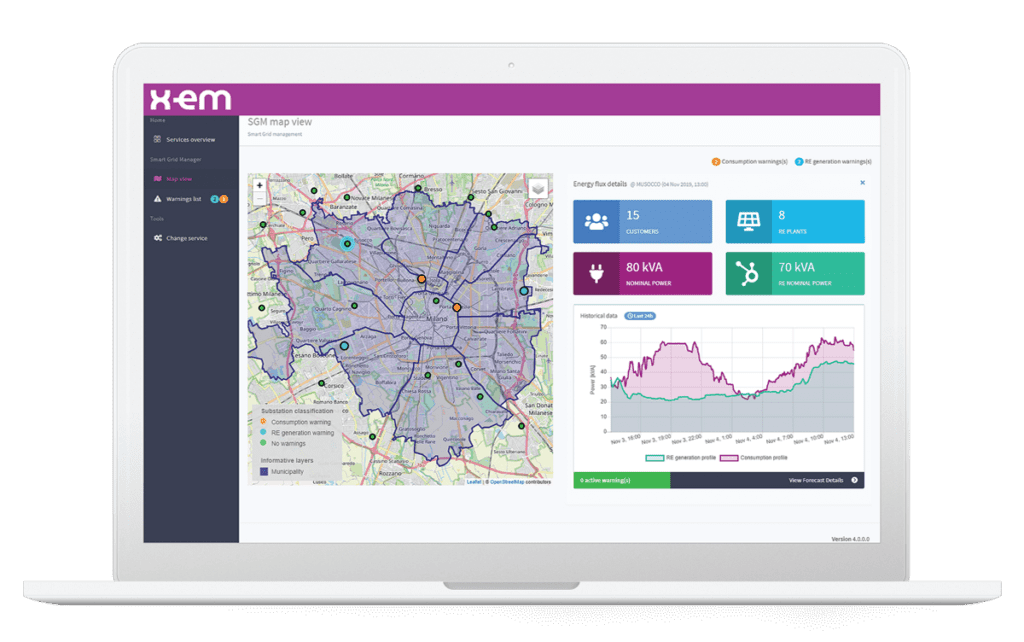
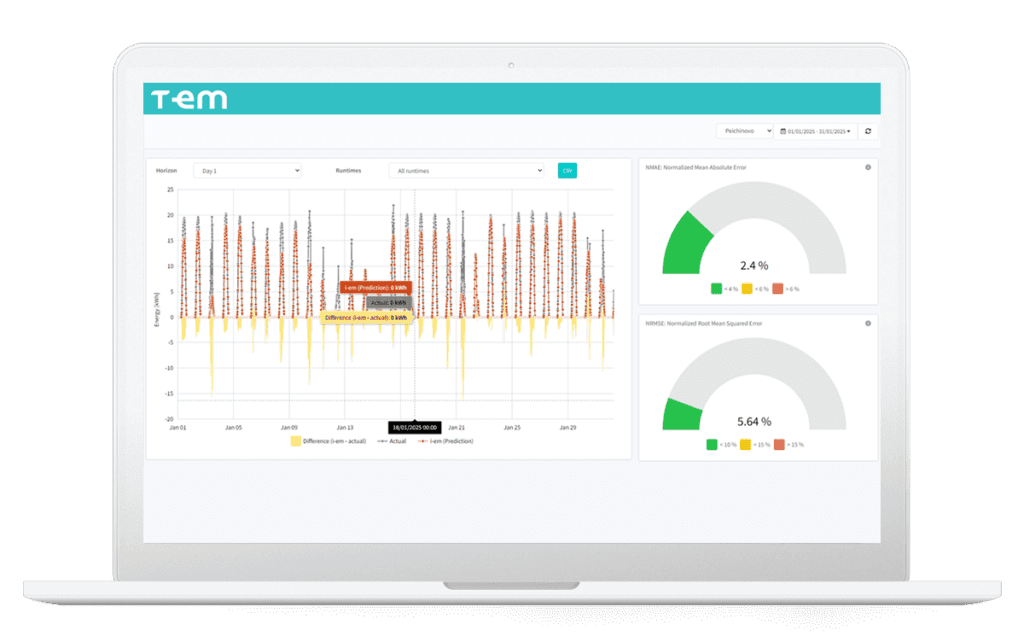
i-EM solutions X-EM for Smart Grid Management and T-EM for Energy Trading are tailored for optimizing energy management in the whole lifecycle.
Closing the Gap Between Data and Action
One of the most significant challenges identified across modern grid studies is not data scarcity, but decision latency.
While grid operators now have access to large volumes of real-time and forecast data, the ability to convert this information into timely operational actions remains limited by:
- Fragmented system architectures
- Insufficient predictive capability
- Manual or semi-automated decision processes
- Lack of integrated optimization frameworks
Bridging this gap requires platforms that combine forecasting, analytics, and optimization into a unified decision-support environment.
This is becoming a core requirement for next-generation grid operations.

Conclusion: Intelligence as Core Grid Infrastructure
The energy transition is redefining the nature of electricity systems.
The grid is no longer solely a physical infrastructure network.
It is becoming a software-driven, continuously optimized system where intelligence plays a central role in maintaining reliability, efficiency, and flexibility.
As highlighted in Clearwater’s 2026 market analysis, grid control and DMS software platforms are emerging as critical infrastructure components for managing this transition.¹
Within this context, the role of companies like i-EM is defined by a broader structural shift in the industry: the need to transform complex data environments into actionable, real-time operational intelligence.
The future of the grid will depend not only on generation capacity or network expansion, but on the ability to understand, predict, and optimize system behaviour continuously.
In this new paradigm, intelligence becomes as fundamental as infrastructure.

Sources
¹ Clearwater Capital Markets, Grid Control and DMS Software: Market Overview 2026.
https://www.clearwatercf.com/assets/Insights/Grid-Control/Report/Grid-control-and-DMS-software-2026.pdf
2 Load Forecasting Techniques and Their Applications in Smart Grids Energies 2023, 16(3), 1480; https://doi.org/10.3390/en16031480
Energies 2023, 16(3), 1480; https://doi.org/10.3390/en16031480