
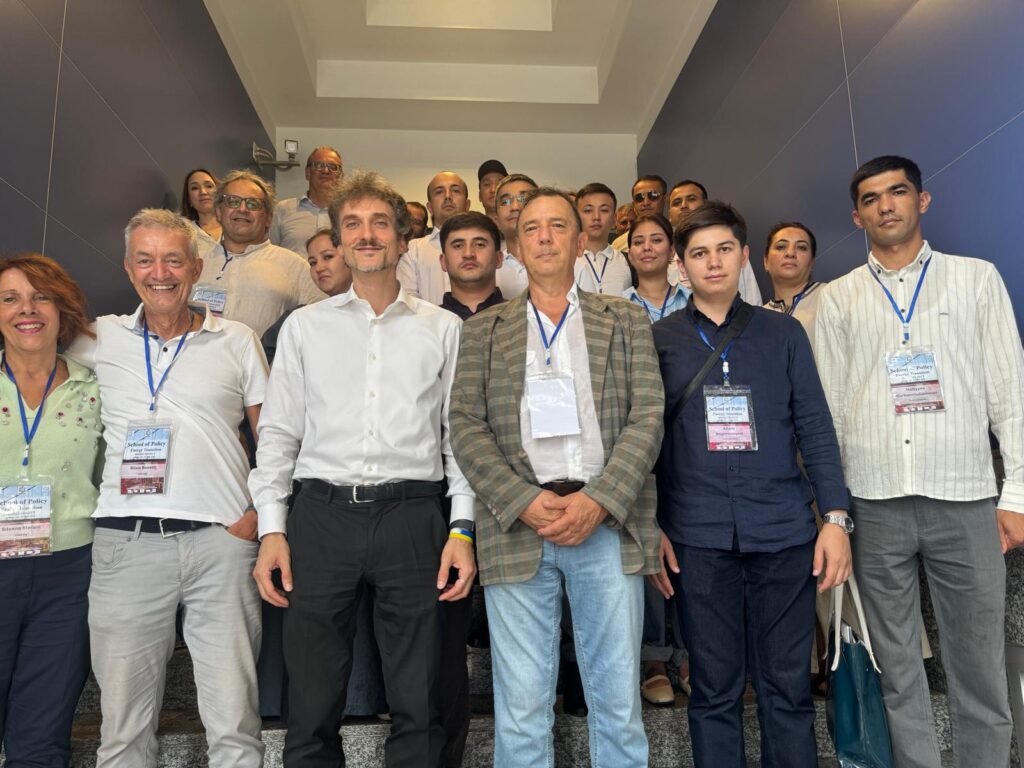
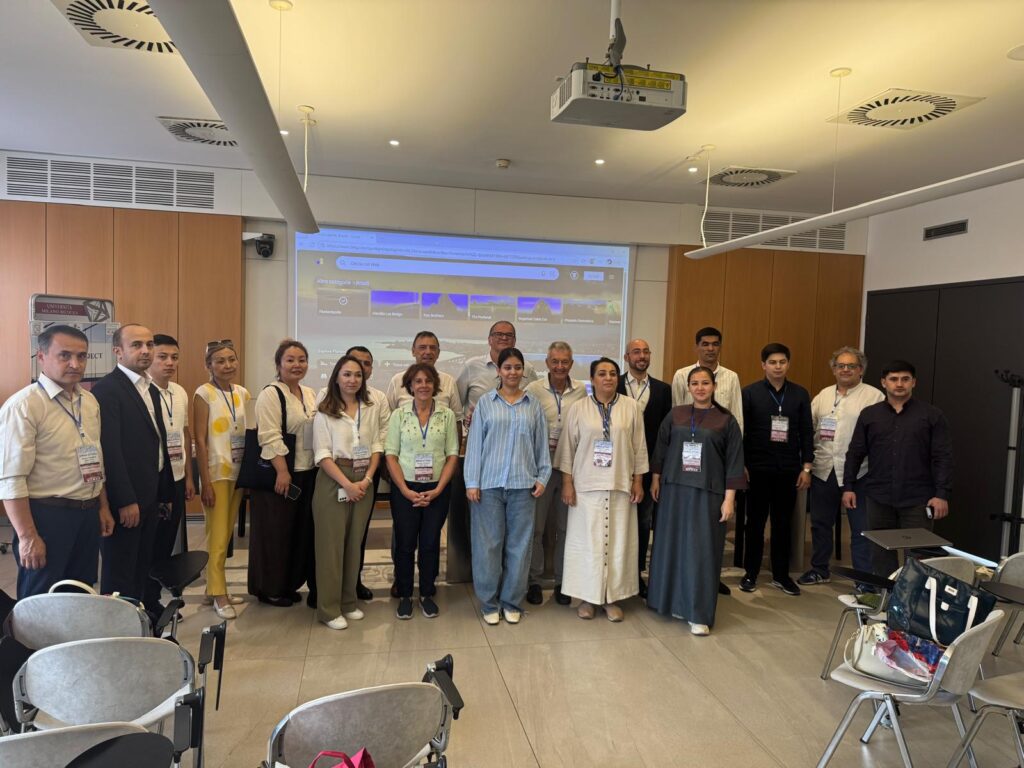
i-EM recently contributed to the School of Policy on Sustainable Energy Transition, hosted by the University of Milano-Bicocca as part of the BRIDGE Project, an international initiative aimed at fostering knowledge exchange and cooperation on energy transition between Italy and Central Asia. The programme brought together universities, institutions, and leading Italian energy companies, including Terna, GSE, A2A, RSE, to discuss the technologies and policies shaping the future of sustainable energy systems.
During the event, i-EM delivered a technical presentation focused on the growing role of Earth Observation technologies in supporting renewable energy management and digital energy platforms.
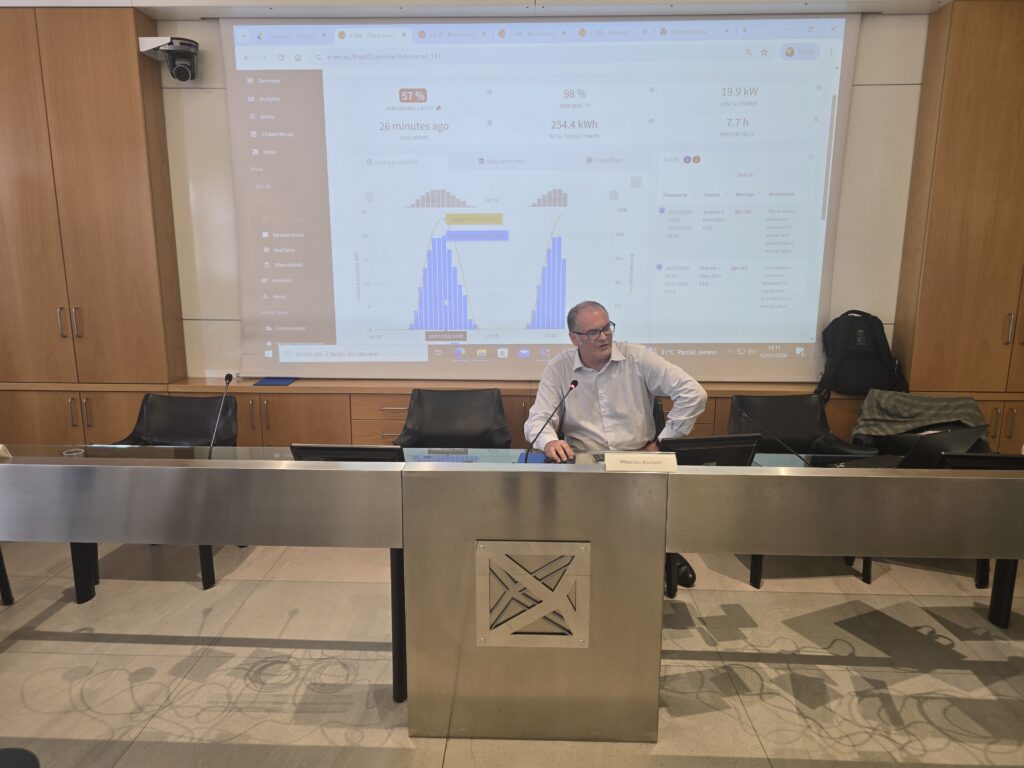

The presentation highlighted three practical applications where satellite data can already provide measurable value across the renewable energy lifecycle:
- Improving renewable energy forecasting by combining satellite observations with advanced meteorological models and AI-based forecasting techniques, reducing uncertainty in photovoltaic and wind generation predictions.
- Enhancing photovoltaic diagnostics through the validation of field measurements and automatic quality checks of irradiance sensors, improving data reliability and supporting more accurate performance assessment.
- Monitoring utility-scale PV construction projects using high-resolution satellite imagery to remotely assess construction progress, providing developers, EPC contractors, and asset owners with timely and objective project information.
These applications demonstrate how Earth Observation is becoming an increasingly valuable component of next-generation digital energy platforms. By integrating satellite data with forecasting models, artificial intelligence and advanced analytics, it is possible to improve operational efficiency, strengthen decision-making and increase the reliability of renewable energy assets throughout their lifecycle.
The event also represented an opportunity to exchange experiences with experts from academia, industry and institutions, reinforcing the importance of collaboration in accelerating the digital transformation of the energy sector.